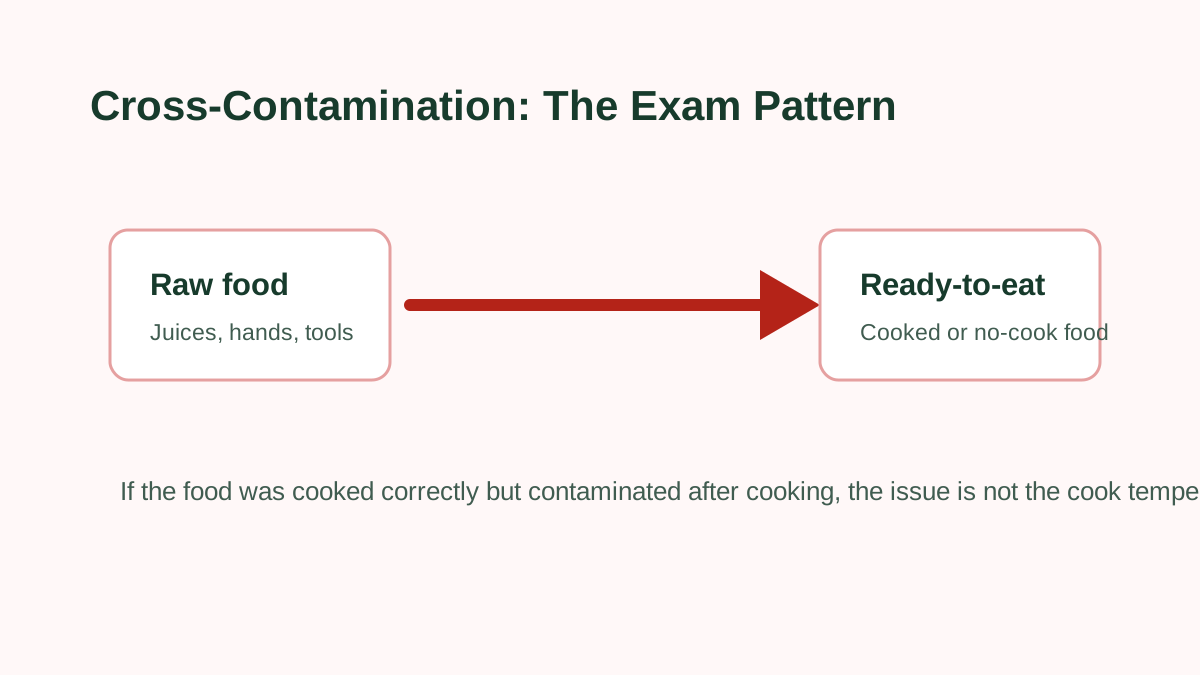
Prevent cross-contamination by keeping raw hazards away from ready-to-eat food, using clean and sanitized equipment, washing hands, and controlling allergens.
Reviewed July 1, 2026 · Independent study content, not official certification guidance.
Written by Food Safety Prep Editorial Team · Reviewed by Food Safety Prep Editorial Team
Written byFood Safety Prep Editorial Team
Independent food safety manager exam prep editors
Reviewed byFood Safety Prep Editorial Team
Source review and corrections team
Sources checked4
Primary references are listed on this page so learners can verify the rule.
The main ways to prevent cross-contamination are to store food in the correct order, separate raw and ready-to-eat foods, use dedicated or properly cleaned and sanitized equipment, wash hands at the right times, and protect food from allergen cross-contact.
If ready-to-eat food has been contaminated by raw meat juice, dirty equipment, bare hands, or an undeclared allergen, the manager action is usually to stop service and correct or discard the affected food.
High-value prevention steps
Most exam scenarios are not exotic. They are common kitchen mistakes: raw chicken stored above lettuce, a knife reused between raw and cooked food, gloves not changed, or cooked meat placed on a raw-meat tray.
Store ready-to-eat food above raw animal foods.
Use separate cutting boards or clean and sanitize between tasks.
Wash hands after handling raw food, trash, phones, face, hair, or dirty equipment.
Use new gloves when the task changes or gloves become contaminated.
Keep allergen orders, utensils, and surfaces controlled.
Exam trap
If food reached the correct cooking temperature but was contaminated afterward, the temperature is no longer the main issue. The correct answer is about preventing contamination or discarding unsafe food.
FAQ
Quick answers
What is the most common cross-contamination example?
Raw chicken juice dripping onto ready-to-eat food, or using the same board or utensil for raw meat and ready-to-eat food without cleaning and sanitizing.
Is allergen cross-contact the same idea?
It is related but specific to allergens. The issue is preventing allergen protein from contacting food that should not contain that allergen.
Can cooking fix cross-contamination?
Cooking only helps when the hazard is controlled by proper cooking before service. It does not fix contamination that happens after cooking.
Sources checked
Review basis
This page was last reviewed on July 1, 2026. It is written for exam practice and practical food safety learning, not legal compliance. Food rules and certification details can vary by jurisdiction, provider, and current official materials.
We check high-risk statements such as temperatures, time limits, discard decisions, hygiene, allergens, cleaning, sanitizing, cooling, and reheating against public references where available. If a sentence looks outdated or too broad, send the page URL and source to the contact page.