Cleaning removes food, grease, dirt, and other visible soil. Sanitizing reduces pathogens on a clean surface to safe levels.
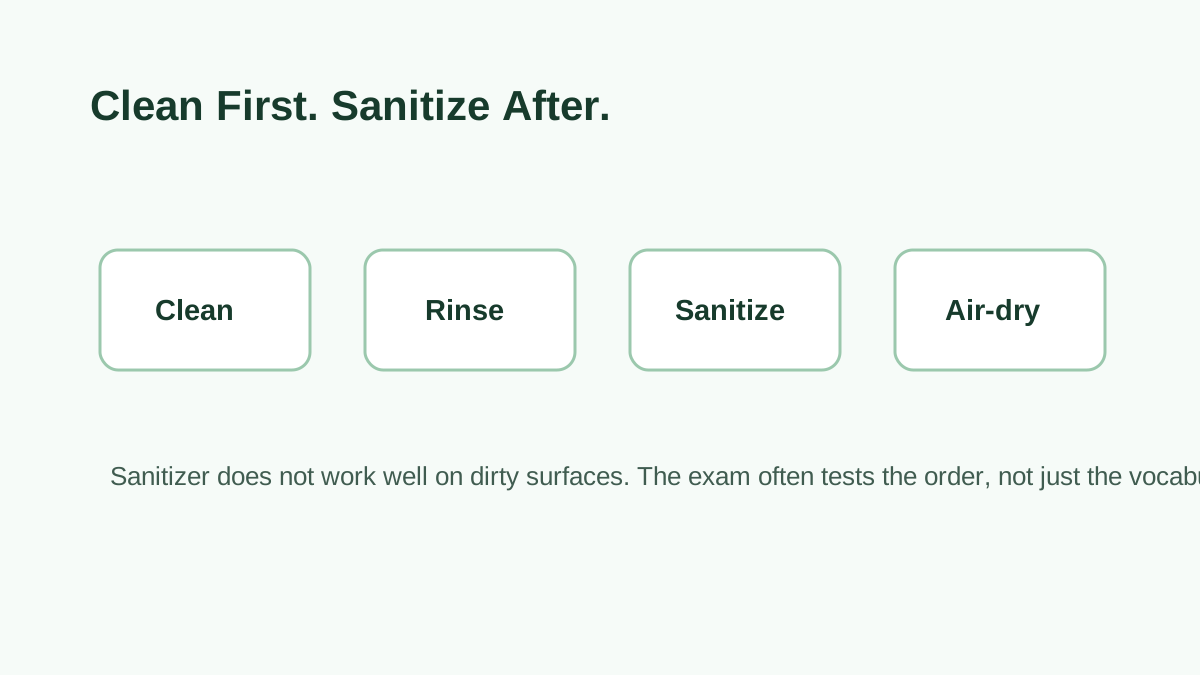
For food-contact surfaces, the common sequence is clean, rinse, sanitize, then air-dry. Sanitizer is not a shortcut for cleaning a dirty surface.
How this appears on exams
Exam questions often test sequence and timing. A surface that touched raw meat, a cutting board used between tasks, or a prep table used for TCS food may need cleaning and sanitizing before reuse.
Clean: remove soil with the correct cleaner.
Rinse: remove detergent or loosened soil as required.
Sanitize: apply the correct sanitizer at the correct concentration and contact time.
Air-dry: do not towel-dry a sanitized surface with a dirty towel.
Exam trap
If a question asks what to do after raw chicken touches a prep surface, the answer is not just wiping it. The food-contact surface needs proper cleaning and sanitizing before safe reuse.
FAQ
Quick answers
Can you sanitize without cleaning first?
For food-contact surfaces, cleaning comes first because soil can interfere with sanitizing.
What is the last step after sanitizing?
Air-drying is the usual final step. Towel-drying can recontaminate the surface.
Is washing hands the same as sanitizing hands?
No. Handwashing uses proper soap-and-water technique. Hand sanitizer is not a replacement for required handwashing in food handling situations.
Sources checked
Review basis
This page was last reviewed on July 1, 2026. It is written for exam practice and practical food safety learning, not legal compliance. Food rules and certification details can vary by jurisdiction, provider, and current official materials.
We check high-risk statements such as temperatures, time limits, discard decisions, hygiene, allergens, cleaning, sanitizing, cooling, and reheating against public references where available. If a sentence looks outdated or too broad, send the page URL and source to the contact page.